What’s new in 24.1.0
Date of the release: January 2024
New features and significant changes
New version system
Don’t be surprised: we’ve changed the versioning system. Engee. As you probably guessed, the first digit will mean the year of the release, and the second — the month. It will be more convenient for you (and us).
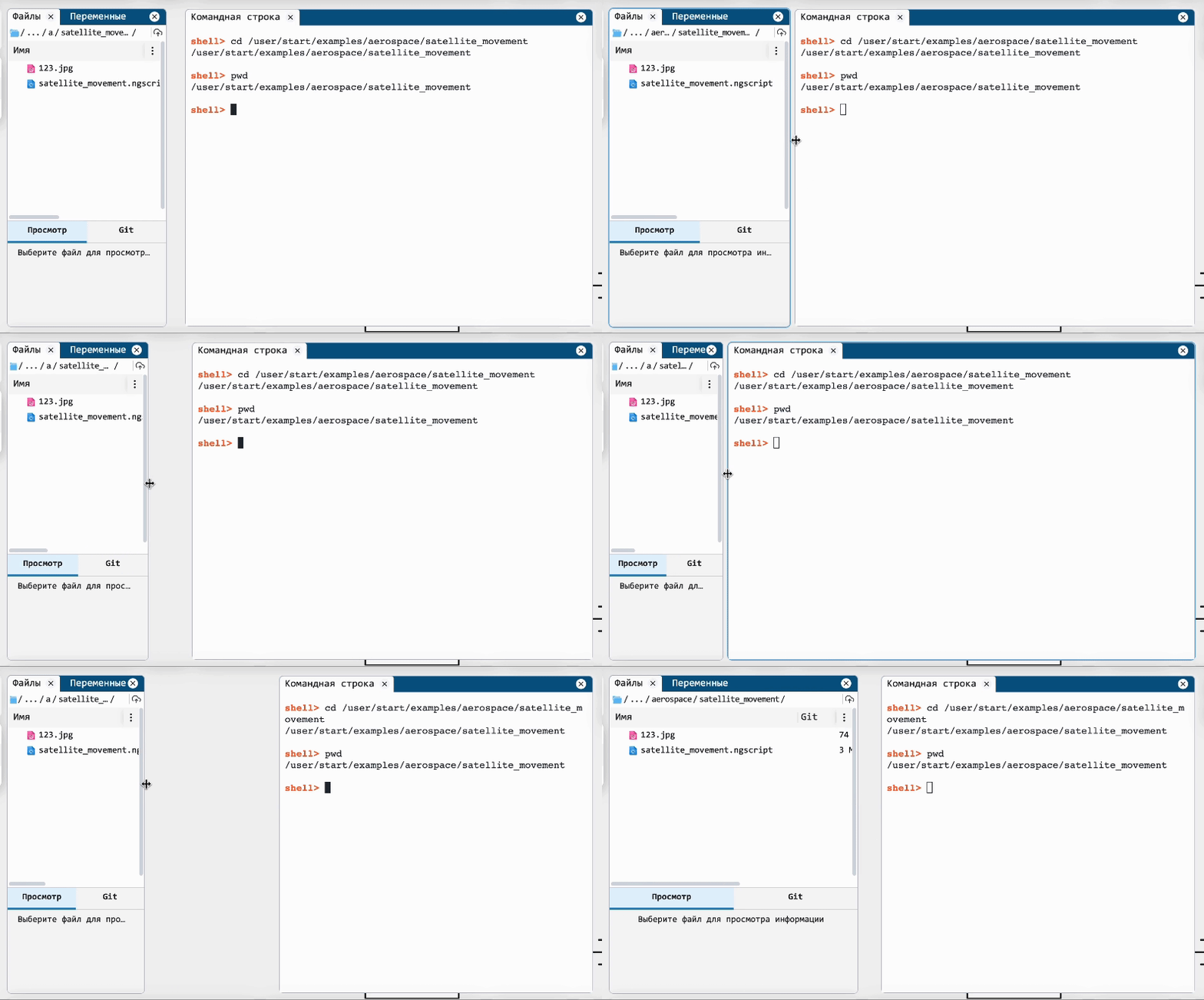
Browser multi-window support
Now at startup Engee The content will be synchronized in different browser windows. This means that you can fully use the environment in different windows on different displays, for example.
Mathematical Computing environment
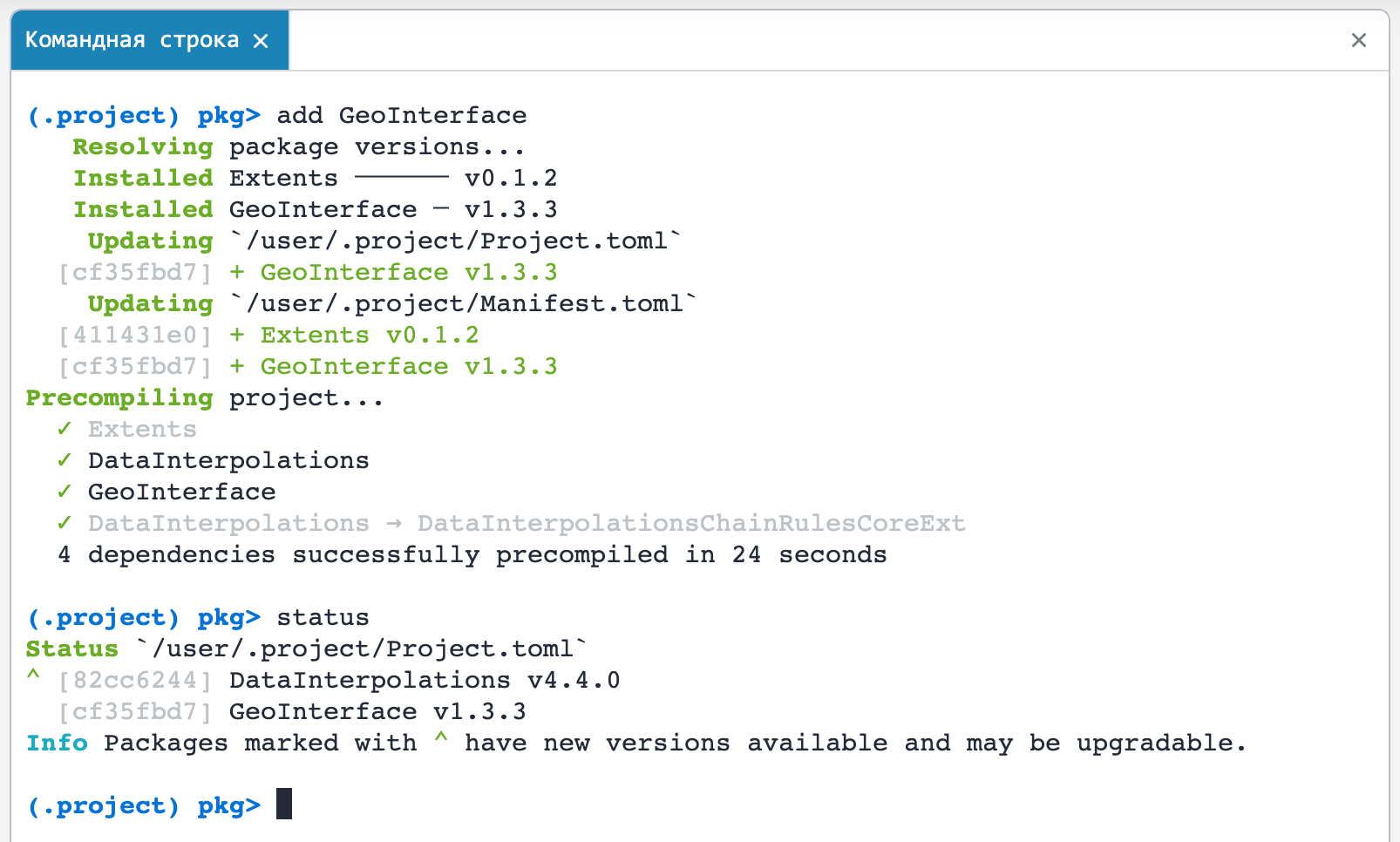
Storing third-party libraries
Previously, users had to reinstall libraries that were not included in the standard configuration every time. Engee. Now it’s enough to install them once in a user folder and just call them if necessary.
Major updates in programming language documentation articles Engee
We have updated the main Julia documentation to version Julia 1.9.3, added documentation in Russian for a large list of third-party libraries (you will find the full list below), and also added a number of articles in the original language. We are sure that now it will be easier for you to find the necessary information about the programming language.
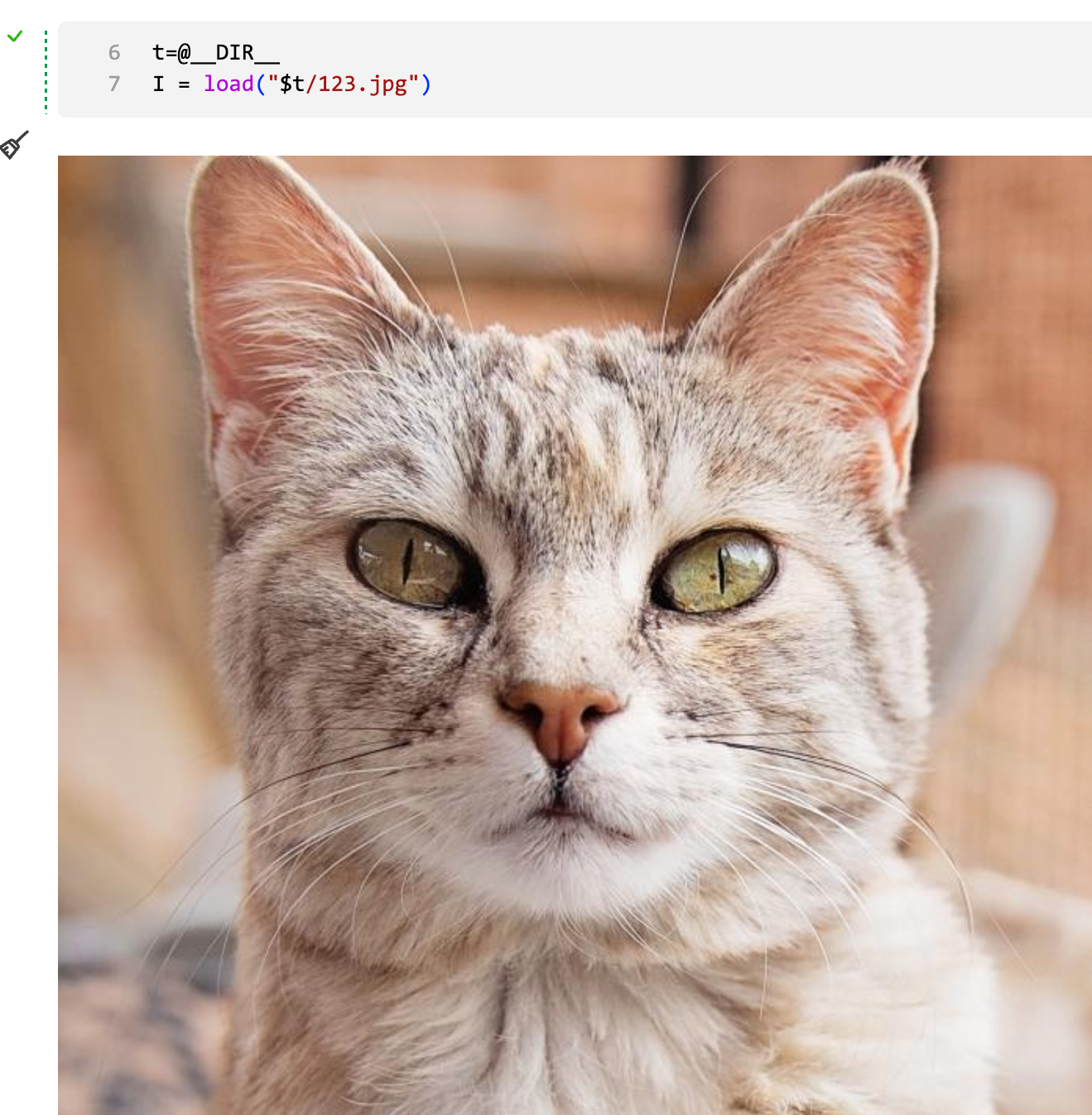
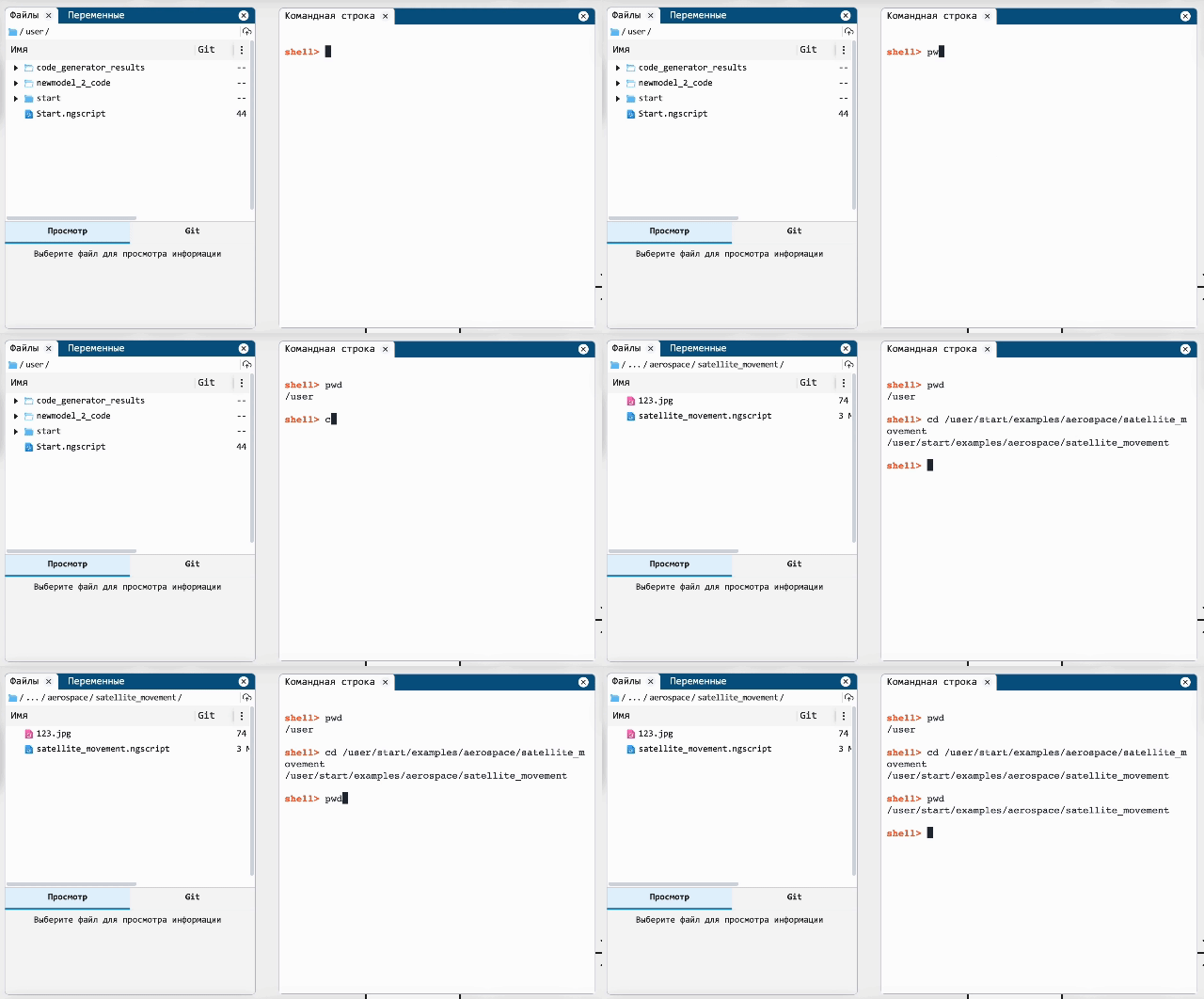
A mechanism for determining the address of the current interactive script
We have implemented a macro for you that returns the path of the current interactive script. You can apply @DIR in the editor or command line, for example, to unlink a script from its current Path and use it in an arbitrary directory. For example, like this:
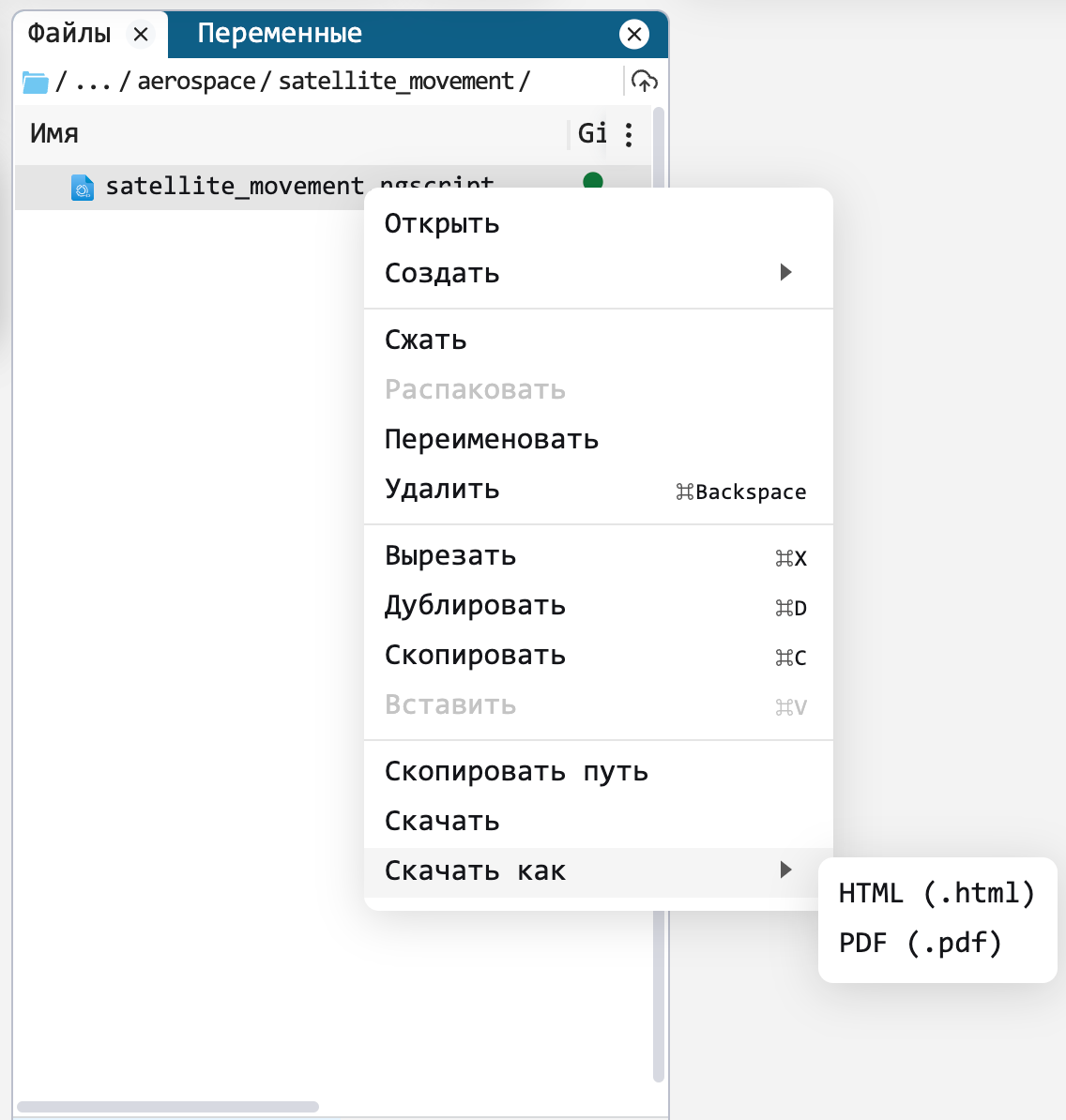
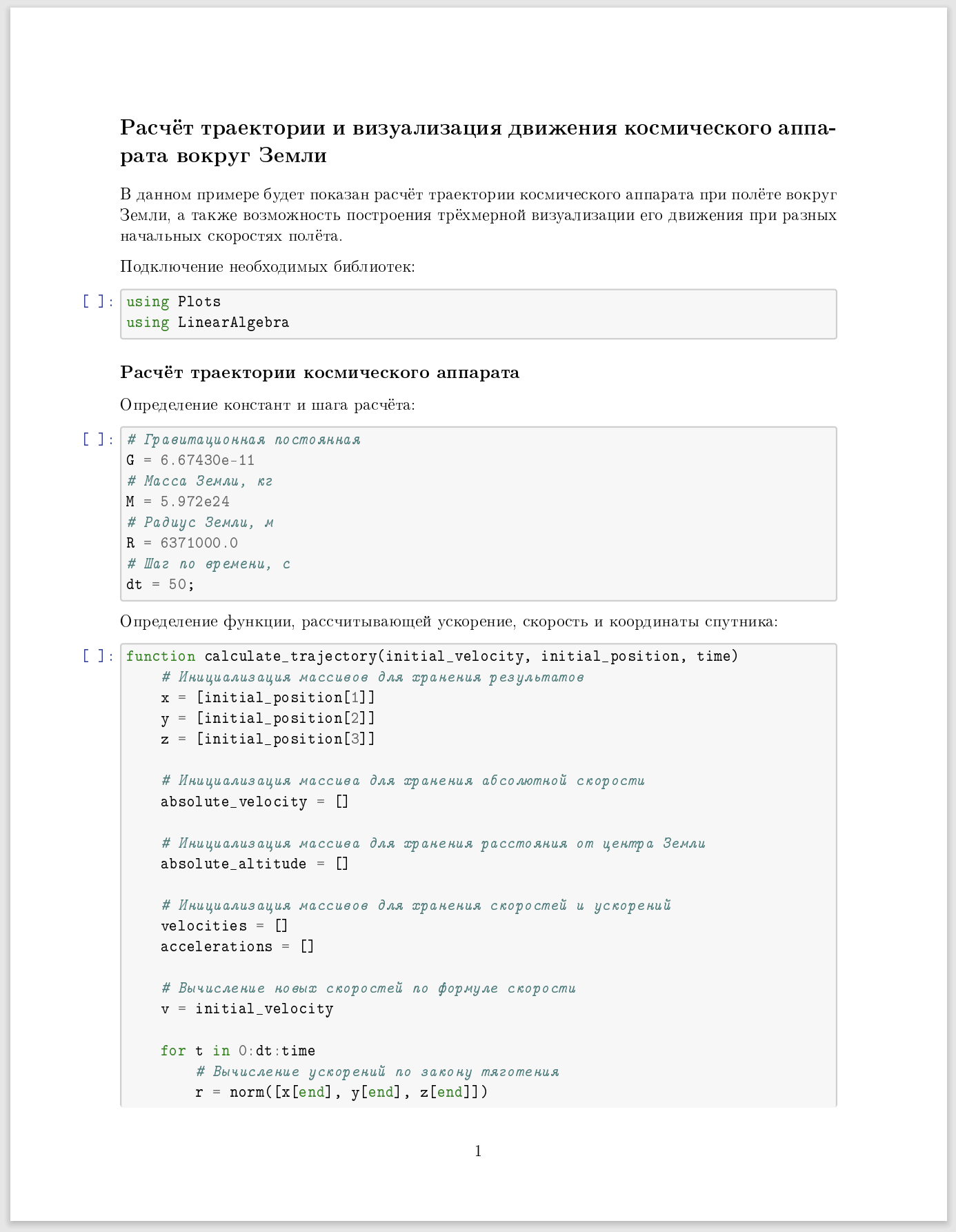
Exporting an interactive script to PDF
We have added the ability to export scripts to PDF format for publications, reporting, or inclusion in scientific and technical documentation.
 →
→
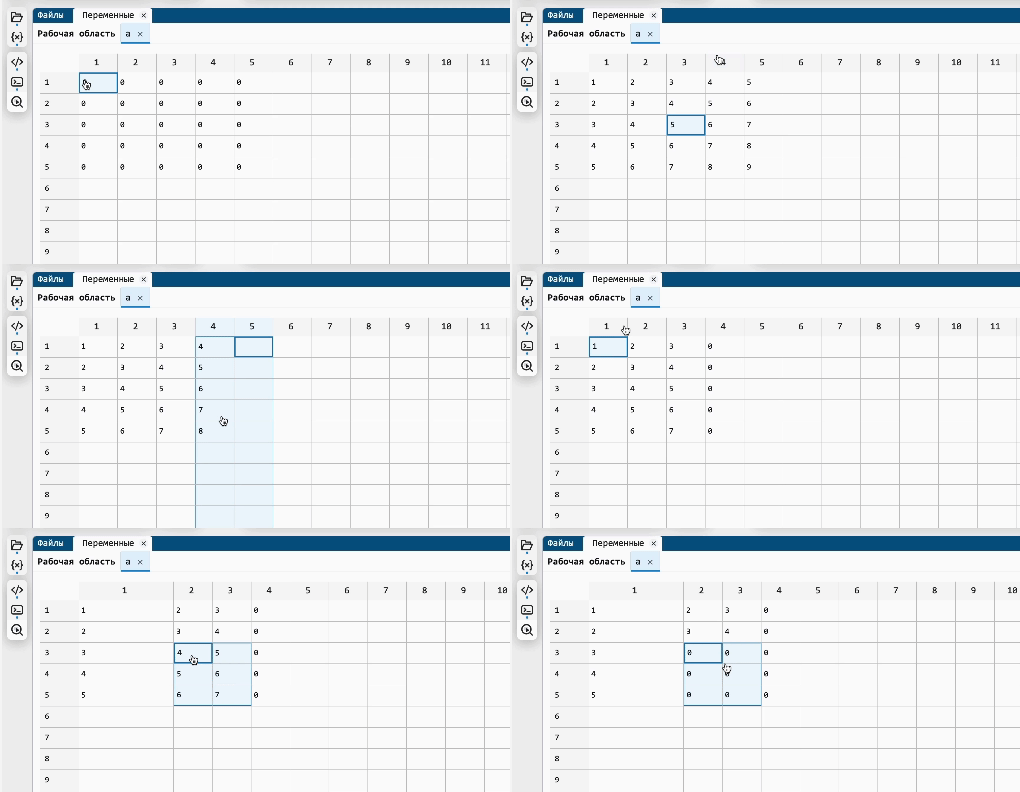
New functions in the Variable editor
The matrix editor in the variables window has been seriously improved. Now you can select multiple cells and perform various operations with them (cut, copy, paste), including operations with external files and environments. You can also combine multiple columns or rows and perform operations with them. In addition, the ability to change the width of the columns has been added.
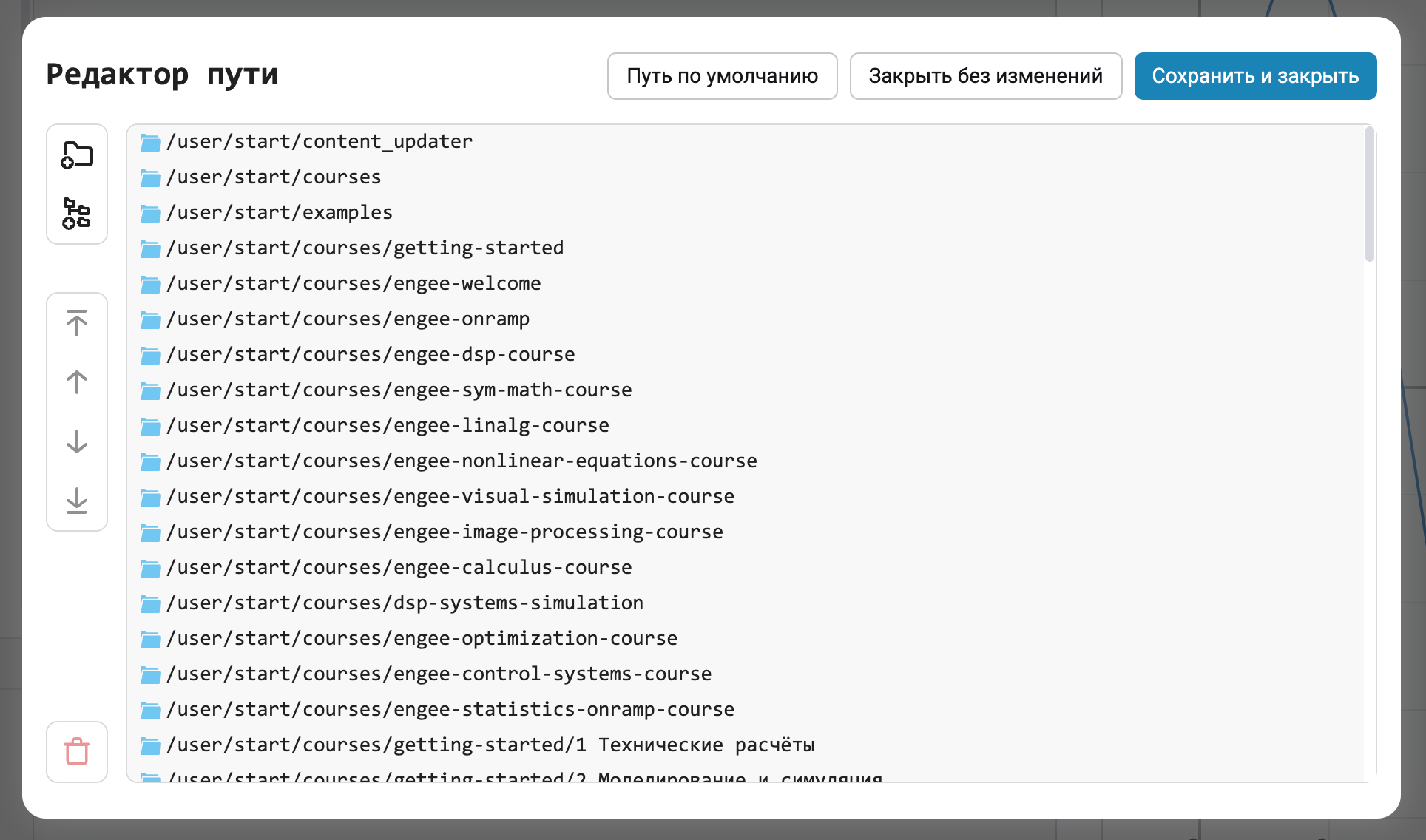
A path management application
In the release 0.12.0 we have added the ability to add folders and subfolders to the Path and delete them from it. In the new release, as a follow-up to the theme, we are introducing a custom application for more convenient representation and management of Paths.
The modeling environment
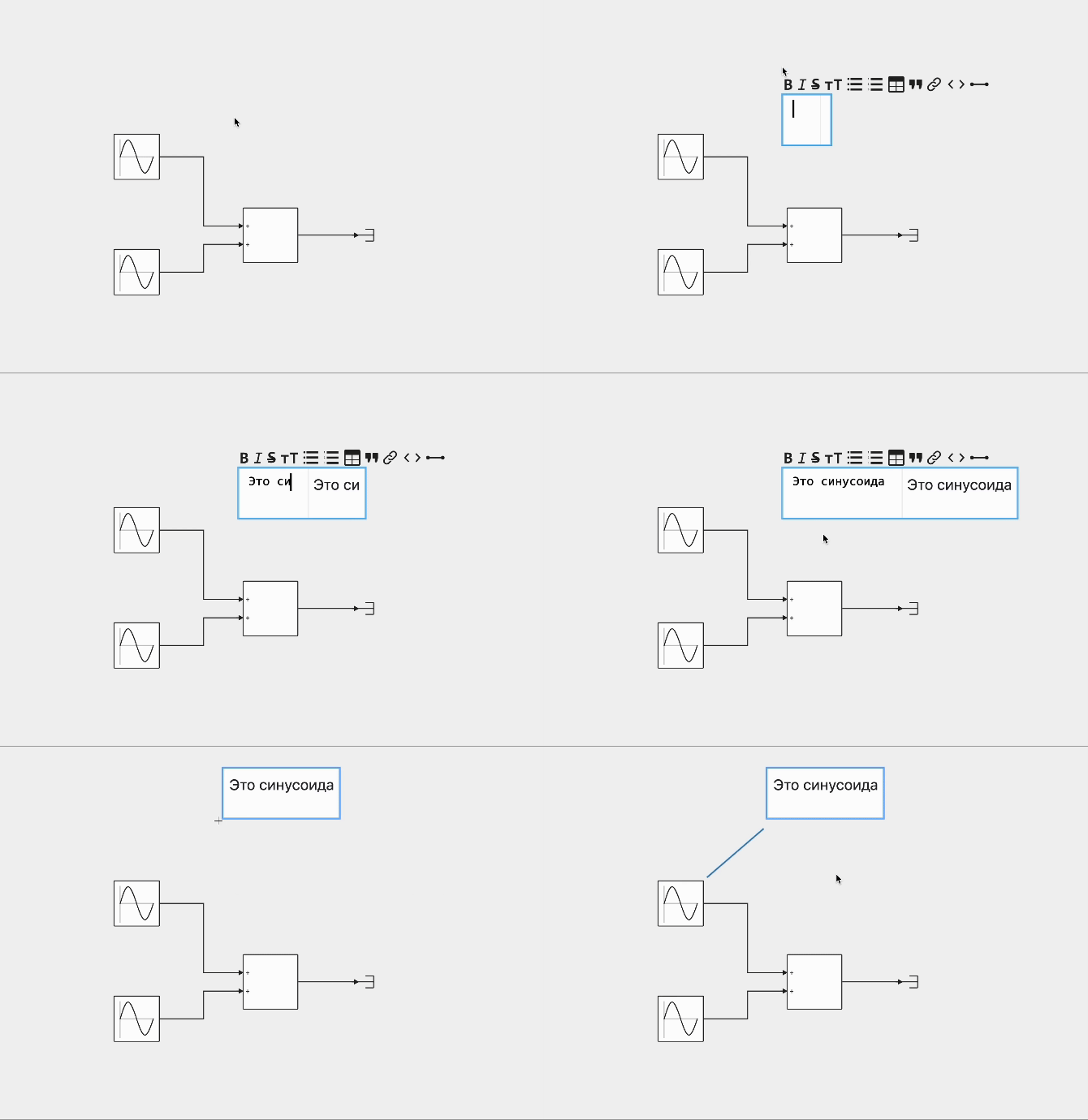
Annotations of models and blocks
We have implemented a feature that many have asked for — annotations for models and blocks. You can add the required text to the canvas, format it, and connect it to blocks as needed.
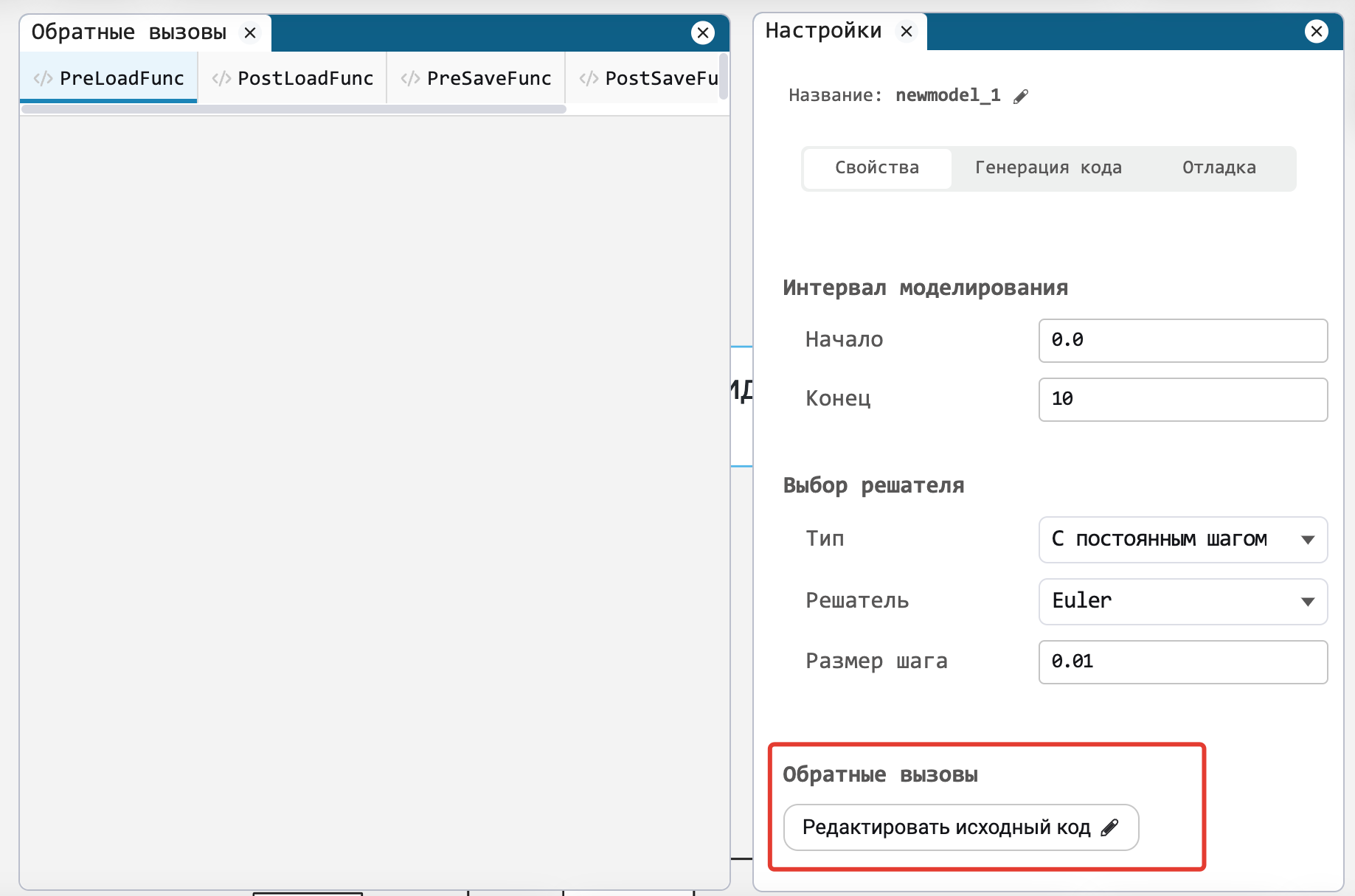
Model Callbacks
Another long—awaited functionality is callbacks. Now you can perform special calls for certain actions on the model, for example, perform loading and initialization functions to declare model parameters or automate actions to process the results.
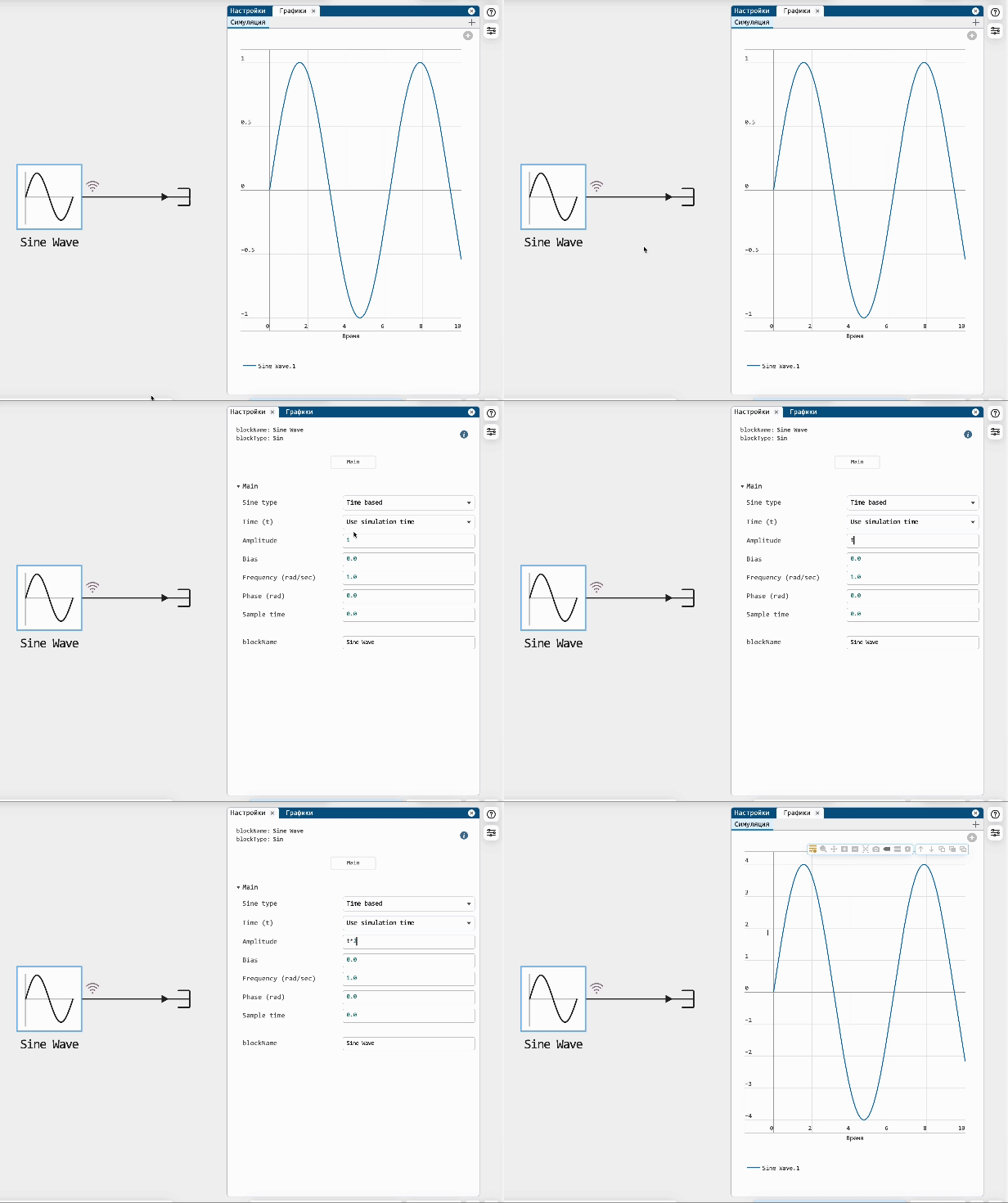
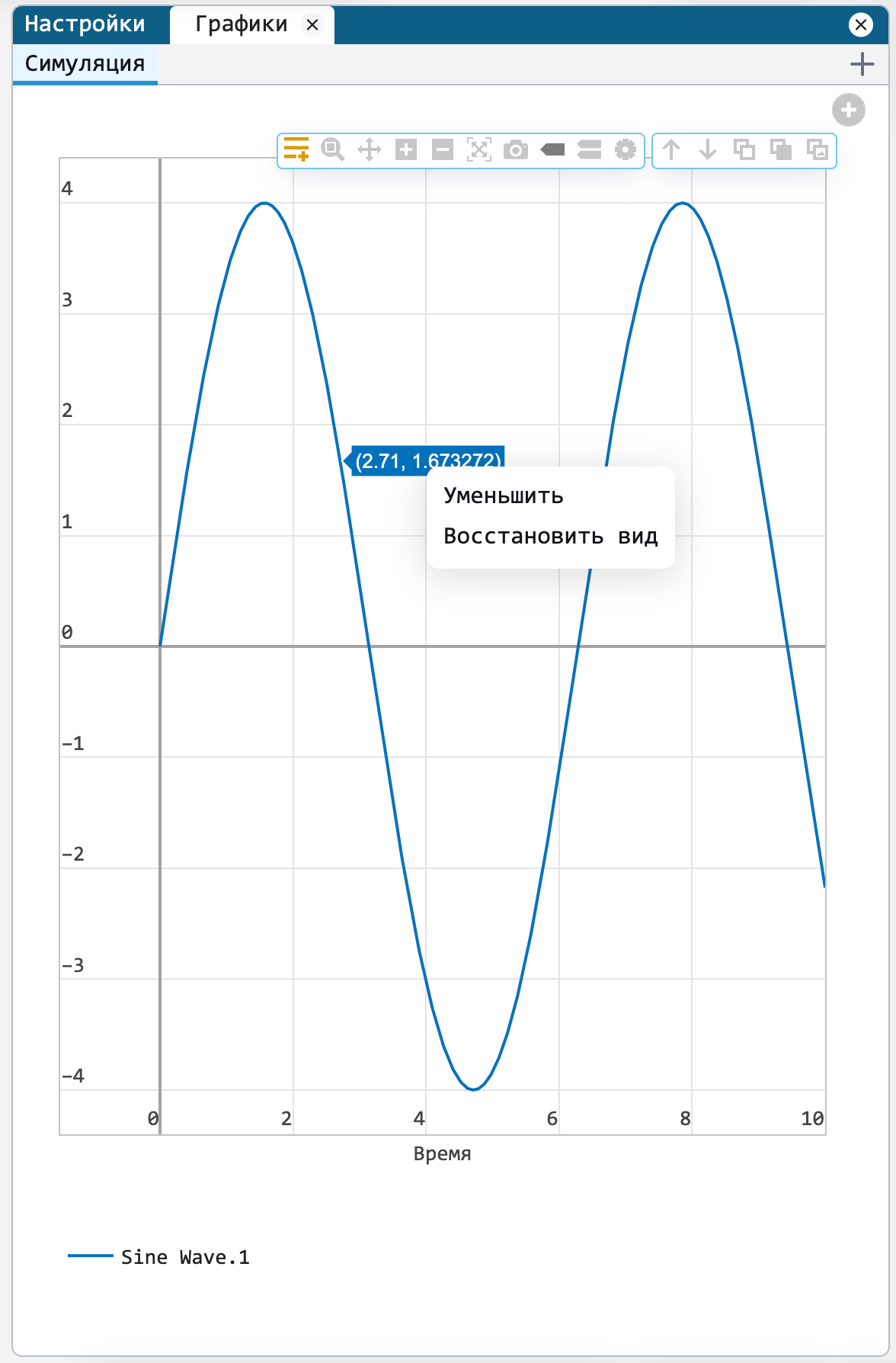
Setting the parameters of blocks and models using custom code
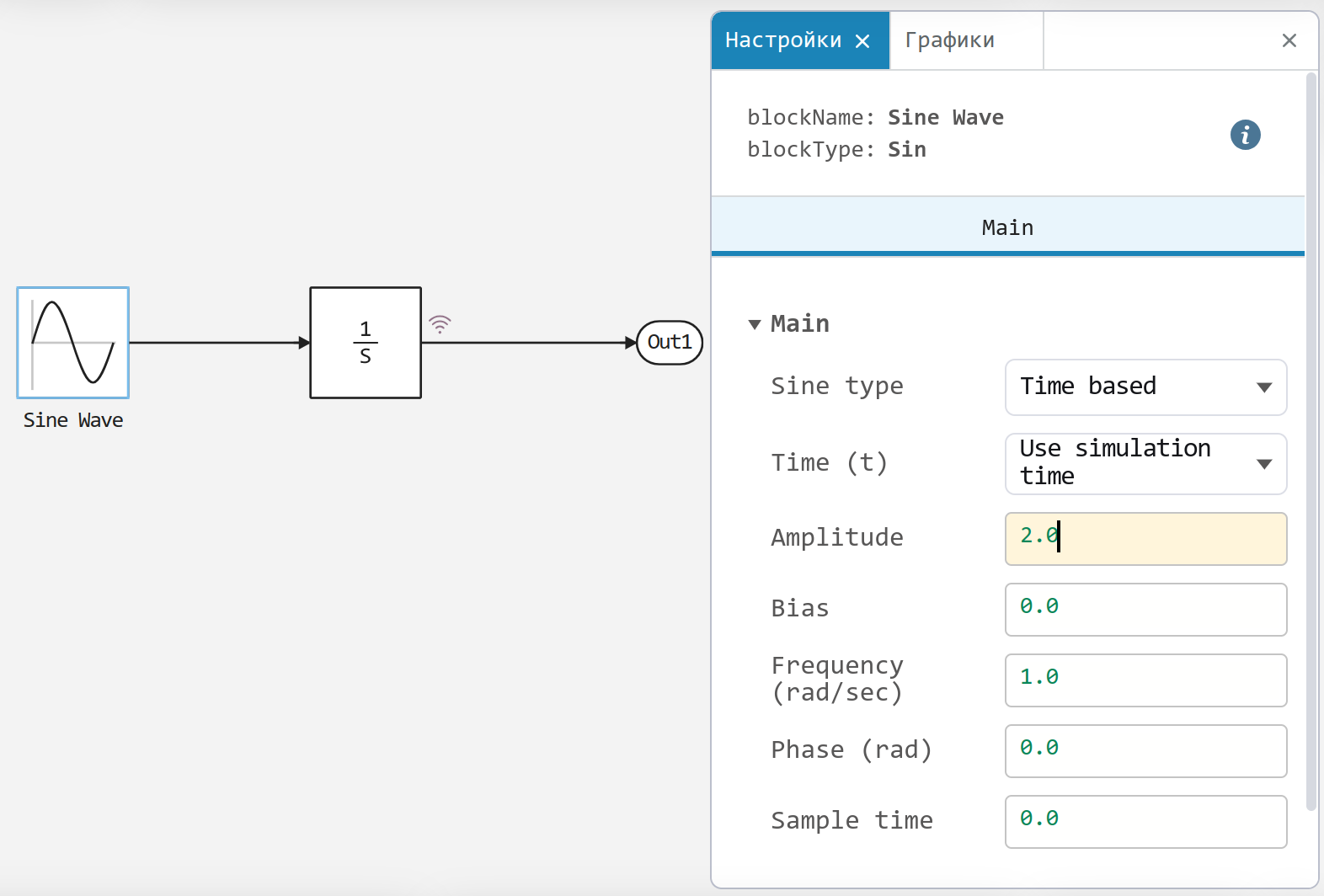
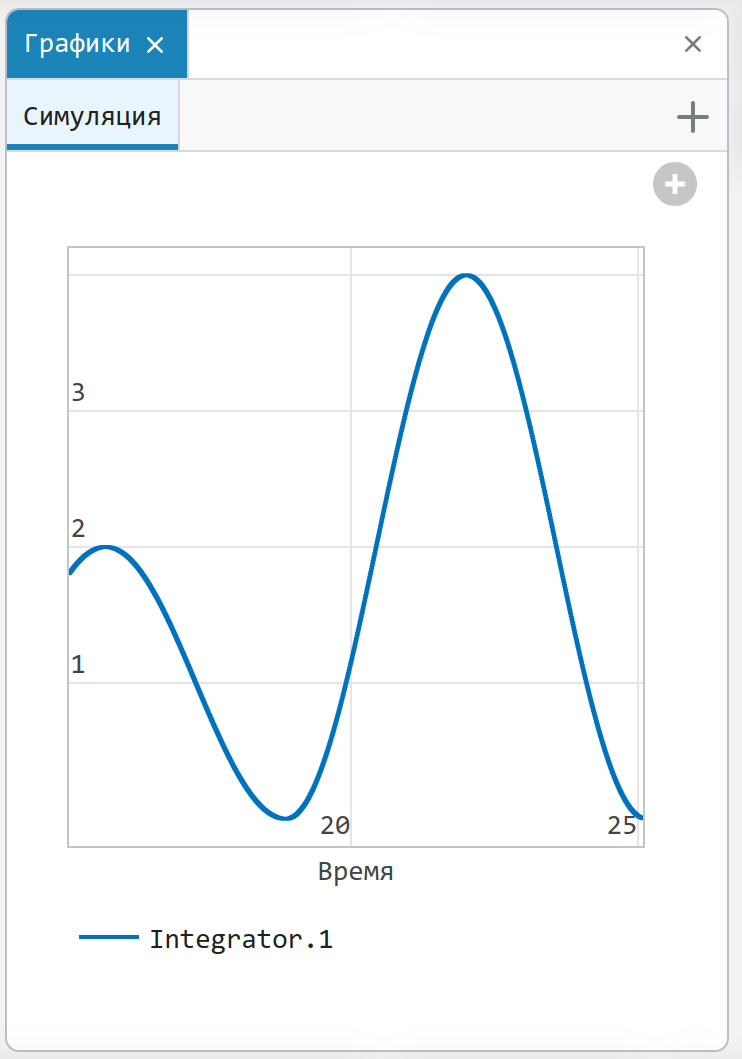
Now you can use custom functions in the form of code to set parameters for model blocks. For the sine block, these parameters can be changed. «on the fly».
New blocks and updates
Isothermal liquid
Expanded the flexible setting of parameters for a number of blocks.
Added parameters for the blocks Integrator, Discrete-Time Integrator.
Semi-natural modeling
Improved integration Engee with a complex of semi-natural RITM modeling:
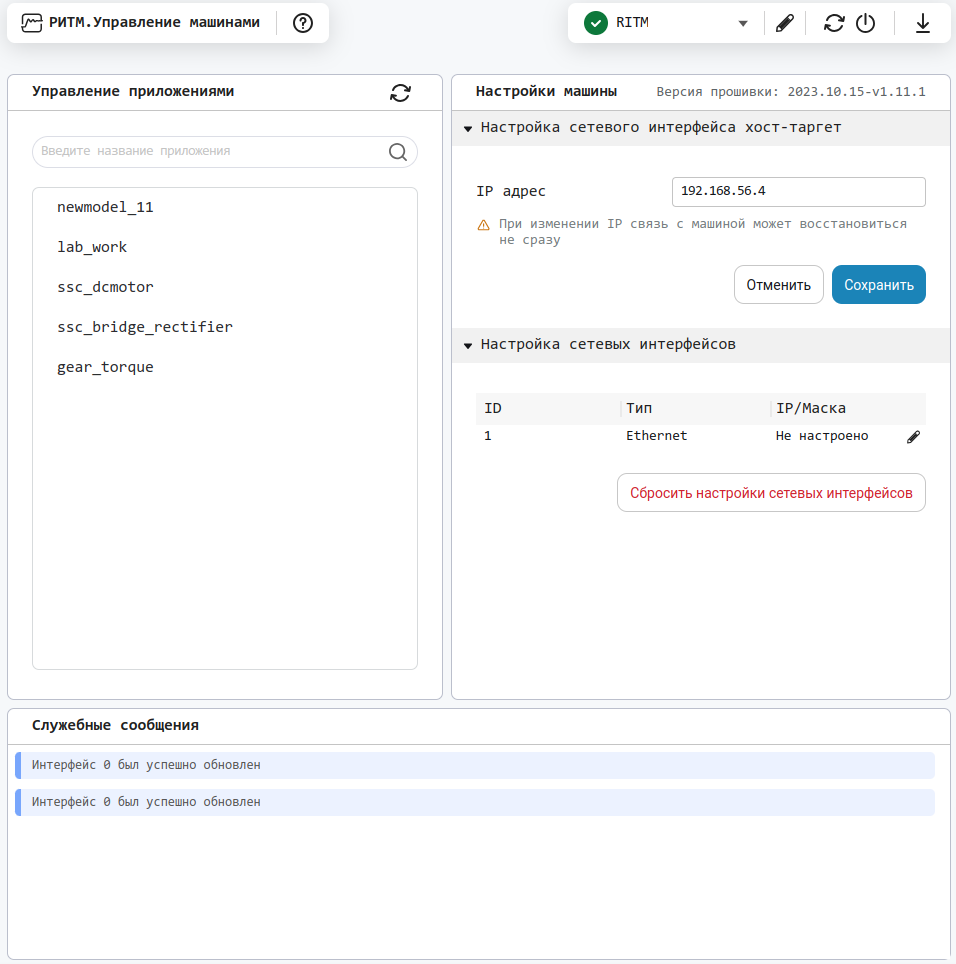
The RITM app has been updated.Machine management
The RITM app.Machine Management now contains a service message panel at the bottom. This panel displays service and status messages for the user.
We support the launch of models Engee On the beat
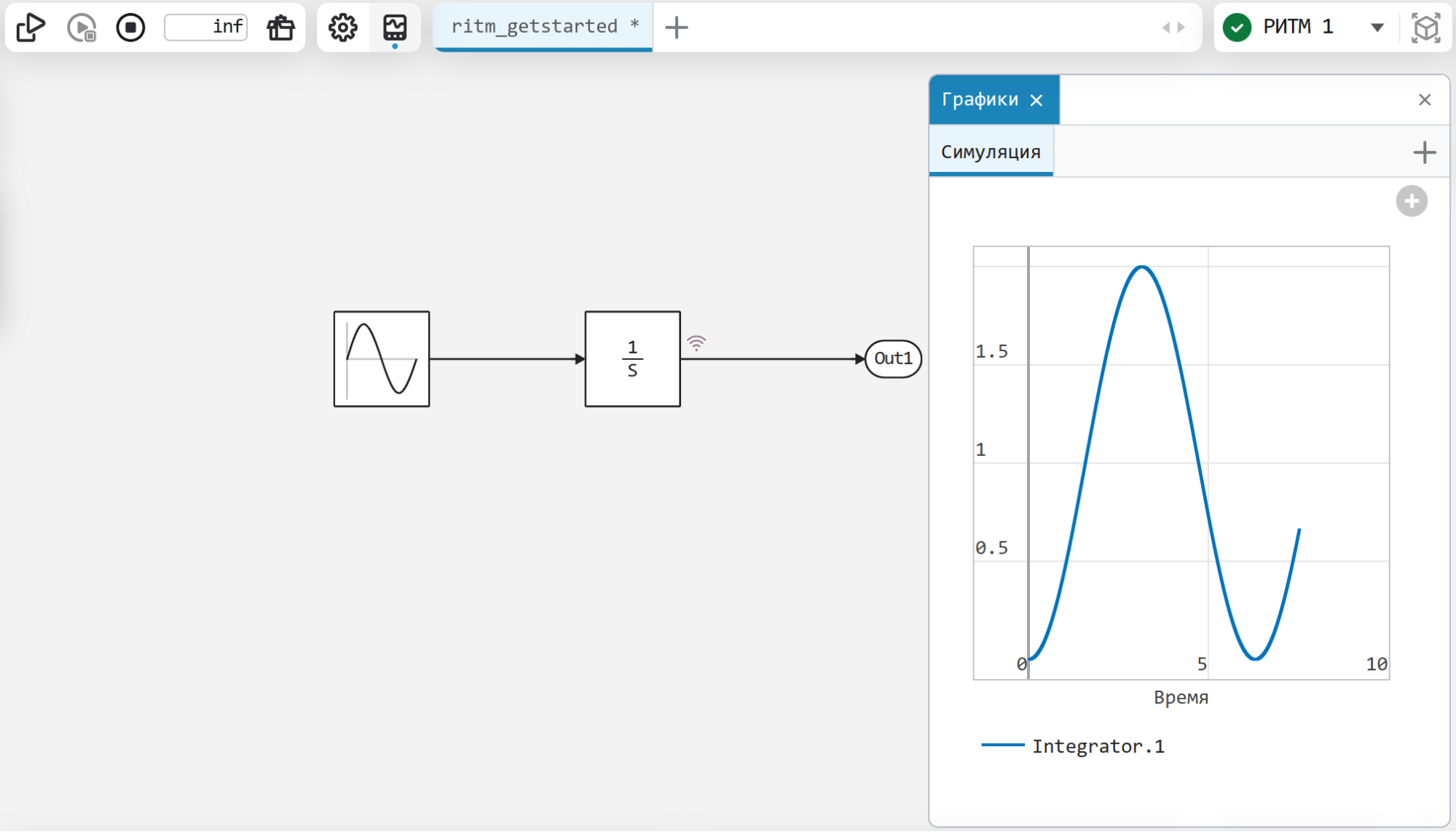
Models Engee now you can run on the RITM by pressing a single button.
To start in independent mode, use the Start in Independent mode button.:

To launch in interactive mode, use the Launch the model on hardware button.:

More information about the operating modes of the model is available on the page Model execution modes.